
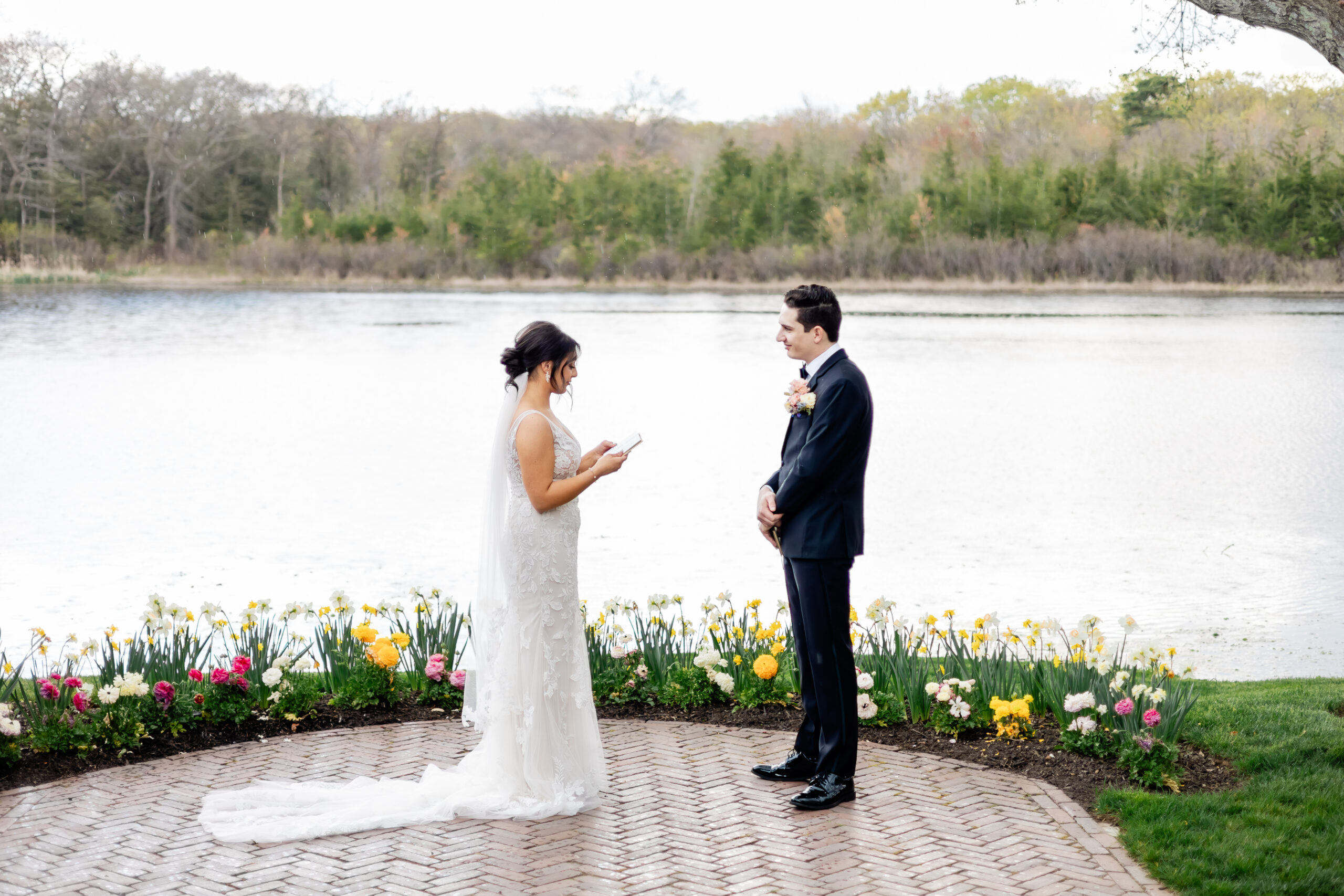
 The words spoken on your wedding day will stay with you for the rest of your life. Writing them yourself makes them even more meaningful, but it can also feel pretty overwhelming. Knowing how to write your own wedding vows does not require you to be a professional writer. It just takes honesty, a little structure, and some time to think about what your relationship truly means to you. Whether you want something heartfelt and serious or light and funny, the best vows come from a genuine place. Learn how to write wedding vows that actually sound like you, from the first rough draft all the way to saying them out loud.
Where Do You Begin When Writing Your Own Wedding Vows?
Before you write a single word, give yourself time to think. Sit with your thoughts for a few days before you start. Rushing this process is one of the most common mistakes couples make. Start by asking yourself a few questions:- What is the moment you knew this was the person you wanted to marry?
- What has your relationship taught you about yourself?
- What kind of partner do you want to be, not just today, but ten years from now?
- What makes this person different from anyone else in your life?
Set a Word Count Before You Start
Most ceremonies give each person about one to two minutes to speak. That works out to roughly 150 – 250 words. Knowing this ahead of time keeps your vows focused. It is also a good idea to check in with your partner about the length so both sets feel balanced on the day.Key Things to Include in Personal Wedding Vows
There is no universal formula for writing wedding vows, but most strong ones hit three notes: acknowledgment, promise, and intention.Acknowledge Your Partner
Start by naming what makes your partner special to you. This does not have to be a list of compliments. It can be a specific memory, a quality you admire, or a moment that changed things for you. Concrete details make vows memorable. “You always know when I need a quiet night instead of a big night out” lands very differently than “you understand me.”Make Your Promises
This is the heart of your wedding vow ideas, the actual commitments you are making. Think beyond the traditional phrasing. What does partnership mean to you as a couple? Some people promise to stay patient through hard seasons, to keep laughing through the small stuff, or to always choose each other even when things get complicated. Make your promises specific to your relationship.Look Ahead
Close your vows with a forward-looking statement. Where are you going together? What kind of life are you building? This part gives your vows a sense of direction and wraps everything up with intention rather than just trailing off.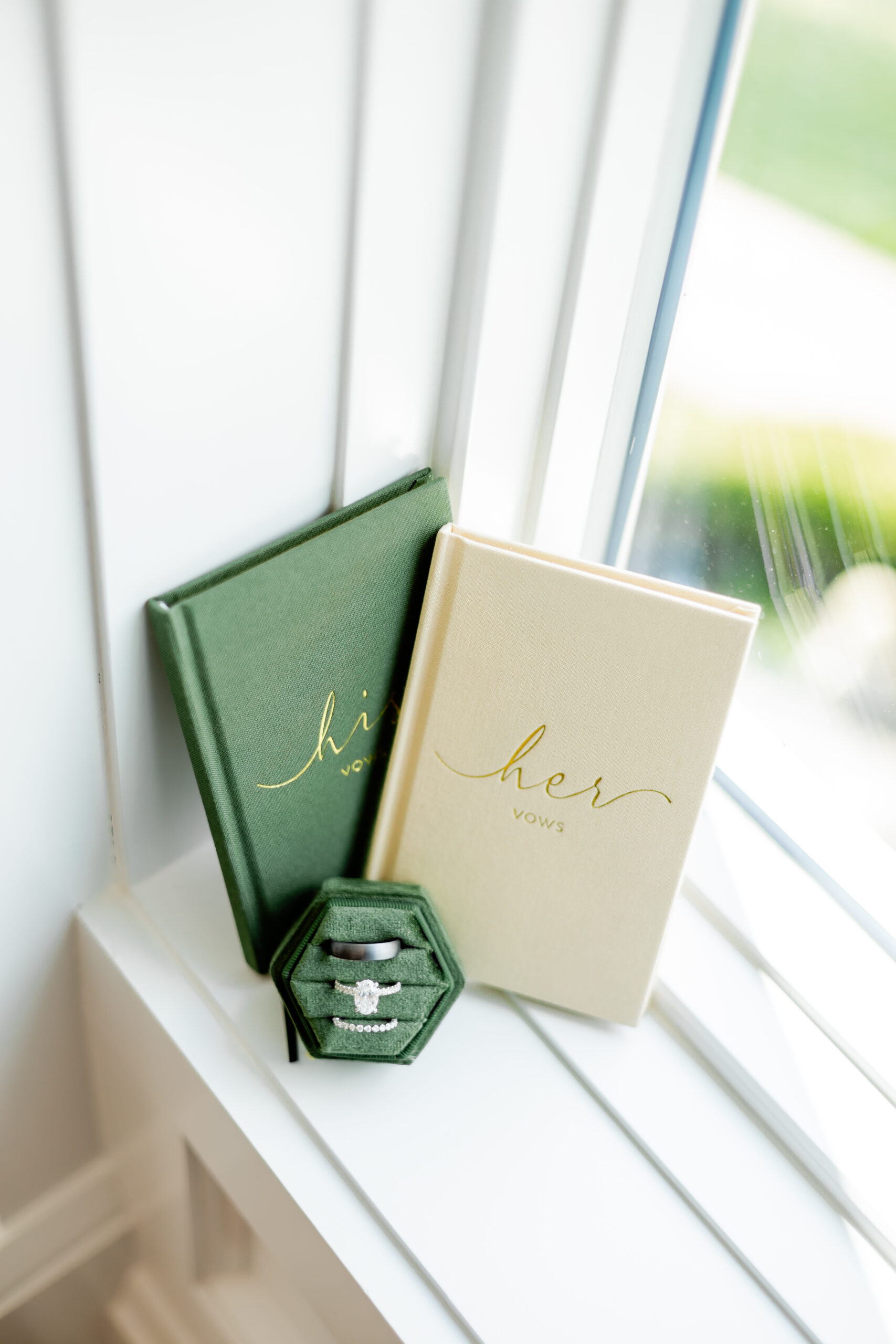
Photography: Kevin & Aly Photography
Find the Right Tone for Your Own Wedding Vows
This is where a lot of people get stuck. Should vows be emotional? Funny? A mix of both? The answer depends entirely on who you are as a couple. If you communicate mostly through humor, forcing a dramatically serious tone can feel off. On the other hand, if your relationship is more understated, heavy jokes might not land the way you hope. A few tone tips that tend to work well:- Read your vows out loud before the big day. If something sounds awkward when you say it, it will sound awkward to your guests.
- Avoid inside jokes that only two people in the room will understand. One or two are fine, but lean toward moments others can appreciate too.
- Mixing emotion and humor is perfectly okay. Many of the most memorable vows have a funny line followed by a deeply sincere one.
- Stay true to how you actually talk. If you do not typically use poetic language in conversation, your vows do not need to sound like a poem.
How to Write Your Own Wedding Vows When You Are Not a “Words Person”
Not everyone finds writing easy, and that is completely normal. If staring at a blank page is making this feel impossible, try a different approach.Try Talking Instead of Writing
Some people find it easier to speak their thoughts first. Record a voice memo of yourself talking about your partner, no structure, no pressure. Then go back and listen for the moments that feel most honest. Those are usually the lines worth keeping.Look at Examples, But Make Them Your Own
Reading wedding vow ideas online can be a helpful starting point. The key is to use them as inspiration, not as a template. If you are trying to figure out how to write your own wedding vows but keep hitting a wall, looking at examples can help you break through the blank page. If you borrow a structure you like, fill it with your own details and words. Your guests, and especially your partner, will be able to tell the difference between something that came from the heart and something borrowed online.Give Yourself More Time Than You Think You Need
Most people underestimate how long it takes to write something that feels right. Aim to start at least three to four weeks before the wedding. This gives you time to draft, step away, revise, and practice reading them out loud. Coming back with fresh eyes almost always leads to improvements.What To Do With Your Vows Once They Are Written
Writing your vows is only part of the process. How you deliver them matters just as much. Practice out loud, not just in your head. Reading silently does not prepare you for how you will feel when you are actually standing in front of your partner and everyone you love. Most people need to read their vows several times before they can recite them without stumbling. A few final steps to keep in mind:- Print your vows in a large, easy-to-read font. Your hands may shake, and small text is hard to follow when you are emotional.
- Consider keeping them in a small card holder or keepsake journal rather than a folded piece of paper.
- Let your officiant know whether you plan to read directly or have them memorized, so they can plan the ceremony flow accordingly.
- Do not be afraid of tears. Pausing to collect yourself is completely expected, and it usually makes the moment feel more meaningful, not less.